Paika Rebellion
The Paika Rebellion of 1817 was one of the earliest and most significant armed
uprisings against British colonial rule in India. It originated in the Khurda region of present-day
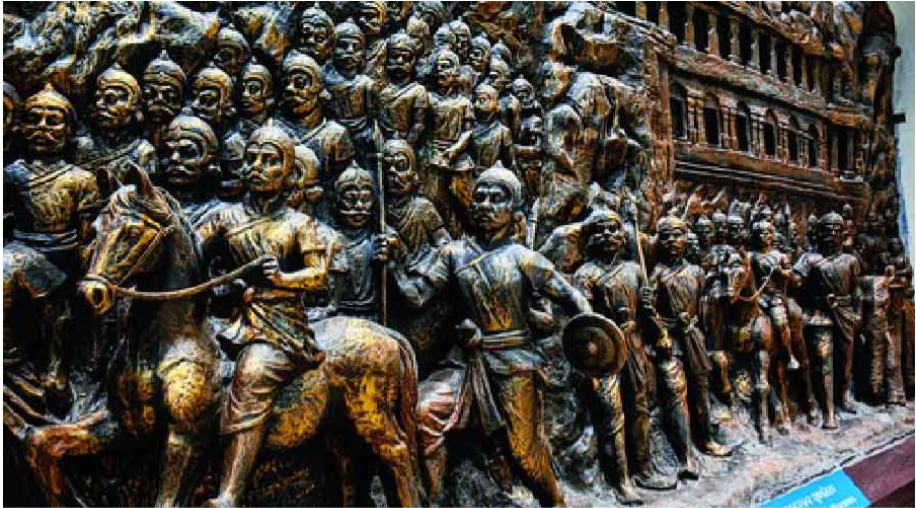
Odisha and was led by the Paikas—a community of warrior peasants who traditionally
served as military retainers under the Gajapati rulers of Odisha. These warriors not only excelled in
combat but also received land grants in exchange for their military service, making their livelihood
deeply connected to the local administration and governance.
Background and Causes
The rebellion was fueled by a combination of economic, administrative, cultural, and social grievances.
After the British annexed Odisha in 1803, they imposed harsh land revenue policies that disrupted
traditional land ownership, leaving many Paikas deprived of their ancestral holdings. Additionally, the
dismantling of the existing military and governance structure marginalized local elites and created
widespread unrest. British interference in religious affairs, especially concerning sacred temples like
the one in Puri, further angered the people. Excessive taxation and exploitation compounded the
suffering, pushing the region toward revolt.
Key Events
The uprising officially began in March 1817, although tensions had been building for years. The
charismatic leader Bakshi Jagabandhu Bidyadhara, descended from local nobility, united
thousands of Paikas, peasants, and oppressed communities. The rebellion quickly spread across Khurda and
surrounding areas, with forts, British offices, and administrative centers attacked. The Paikas relied
on guerrilla tactics, their knowledge of the terrain, and traditional weapons like swords, spears, and
bows to resist better-armed colonial forces. Many villages supported the movement by providing manpower,
intelligence, and supplies. Despite fierce resistance, the lack of coordination and modern weapons
ultimately led to the suppression of the revolt after months of conflict.
Outcome and Impact
Though the rebellion was eventually crushed, its legacy was profound. It marked an early expression of
resistance against colonial exploitation and inspired subsequent movements for freedom. The uprising
instilled pride and a sense of national consciousness among the people, making it a rallying point for
future generations. Over time, historians have recognized it as a precursor to larger struggles, such as
the 1857 Sepoy Mutiny. While the British made some administrative adjustments in response to the unrest,
the rebellion’s spirit continued to inspire collective action.
Legacy
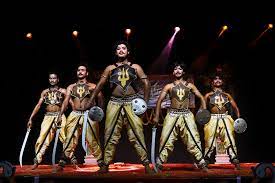
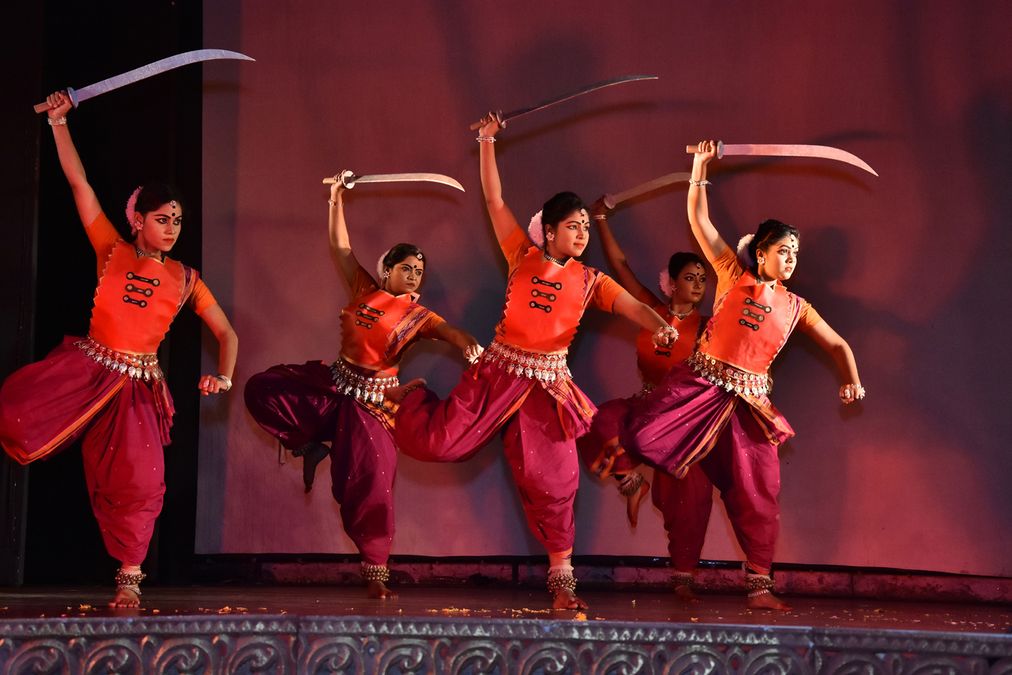
The Paika Rebellion is remembered as a symbol of courage, sacrifice, and resilience. Literature, folk
songs, and museums in Odisha celebrate the bravery of the Paikas, preserving their role in India’s
freedom struggle. Modern scholars emphasize its importance in shaping grassroots movements and
resistance to injustice. The rebellion stands as a testament to the enduring spirit of
self-determination, reminding us that the fight for justice and dignity began long before formal
independence movements arose.